Genesis
- 1
- 50
- Old Testament
- No data
- -1513
- -1467
The Book of Genesis is the first book of the Bible and the entire Pentateuch. Moses is traditionally considered its author. He completed writing it in the Sinai Desert in 1513 BC. Genesis is unique in its scope: it tells the story from the vaguely distant “beginning,” when God created the heavens and the earth, to 1657 BC, when Joseph died in Egypt.
Genesis is the first book of the Bible. It explains the origin of the universe, the earth, and mankind, and it shows how Jehovah began to work out his purpose for the earth and for humans.
Chapters 1–11 – From creation to the flood and the tower of Babel
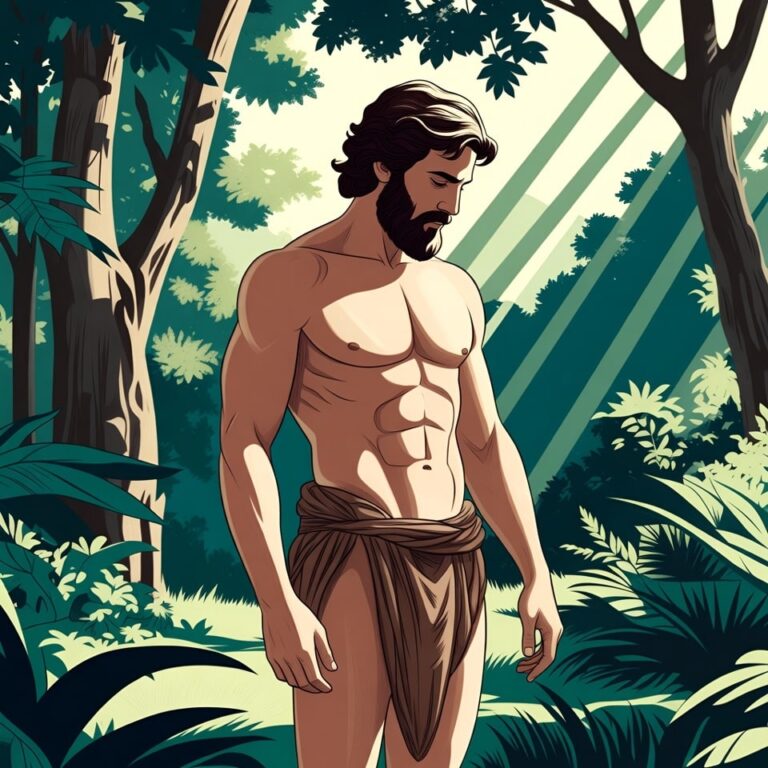
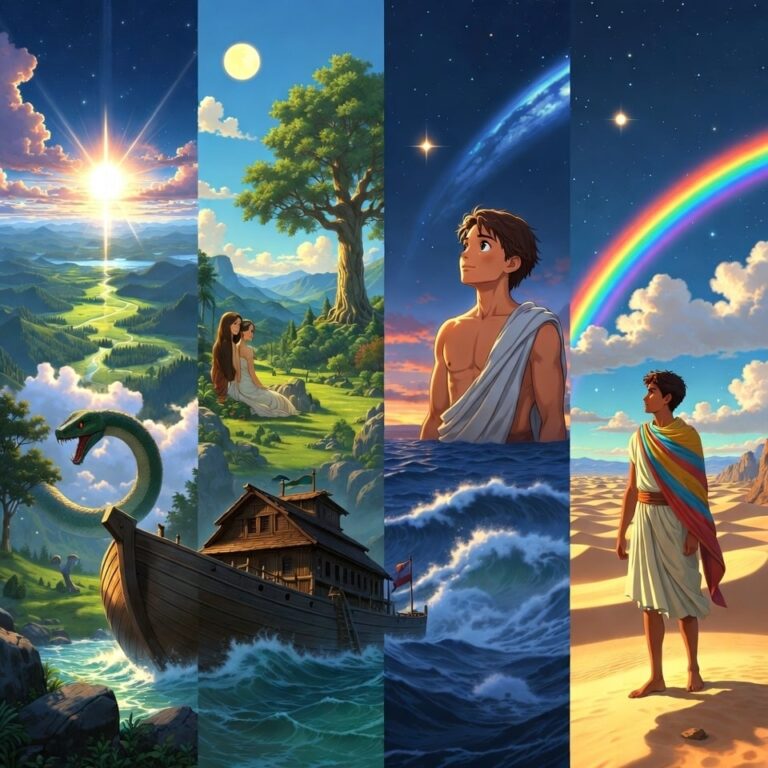
God creates the heavens and the earth and prepares the earth for human life in six creative “days.” He makes the first man, Adam, and the first woman, Eve, and places them in the garden of Eden. Because of their disobedience, sin and death enter the world. Later, violence fills the earth, and Jehovah brings a global flood in Noah’s day. After the Flood, people build the tower of Babel, and Jehovah confuses their language and scatters them.
Chapters 12–25 – Abraham and the covenant
Jehovah calls Abram (Abraham) to leave Ur and promises that all nations will be blessed by means of his offspring. Abraham shows strong faith, even being willing to offer his son Isaac. Jehovah confirms the covenant and promises that Abraham’s descendants will become a great nation.
Chapters 26–36 – Isaac and Jacob
The account continues with Isaac and then Jacob. Jehovah changes Jacob’s name to Israel, and he becomes the forefather of the 12 tribes. Genesis shows how Jehovah guides and protects this family line, which is central to the coming of the promised offspring.
Chapters 37–50 – Joseph in Egypt
Jacob’s son Joseph is sold into slavery by his brothers and taken to Egypt. Through Jehovah’s help, he becomes second in authority to Pharaoh. Joseph’s wisdom saves many from famine, and Jacob’s family finally settles in Egypt. The book closes with Joseph’s death.
Type of book: Historical narrative with genealogies and prophecy.
Original language: Hebrew.
Time of writing: About -1513., during Israel’s stay in the wilderness.
Period covered: From the creation of the first man, Adam, to the death of Joseph in Egypt (-4026–1657).
- Faith and obedience: Genesis shows that Jehovah blesses those who trust him and obey him, like Noah, Abraham, and Joseph. Their example teaches us to put spiritual interests first, even when that requires sacrifice.
- Marriage and family: The creation of Adam and Eve and the principle that a man should stick to his wife help us to understand Jehovah’s view of marriage and family life. (Genesis 2:18, 24)
- Consequences of sin: The first sin in Eden and its results explain why humans die and why there is suffering today. This helps us to see the need for the promised offspring who will undo the damage caused by sin. (Genesis 3:15)
- Trust in Jehovah’s promises: The covenant with Abraham assures us that Jehovah always keeps his promises. This strengthens our confidence that he will bring blessing to all nations through the Messianic Kingdom.
- The English name “Genesis” comes from a Greek word meaning “origin” or “birth.” The book really is a book of beginnings: the universe, life, marriage, sin, and God’s purpose for the earth.
- Genesis is the first of the five books of Moses (the Torah). Together, these books form the foundation for the rest of the Scriptures.
- The divine name Jehovah is first used in the Bible at Genesis 2:4, linking the Creator of the heavens and the earth to the name Jehovah God.
- Genesis contains the first Bible prophecy: the promise that an “offspring” would crush the serpent and undo the harm caused by sin. (Genesis 3:15) This prophecy runs like a thread through the rest of the Bible.
- The book shows how Jehovah preserved one family line—from Adam through Noah and then through Abraham, Isaac, and Jacob—so that the promised Messiah could appear.